



trustea Sustainability Code Version 3.1.0: Key Highlights & Impact
trustea Sustainability Code Version 3.1.0: Key Highlights & Impact
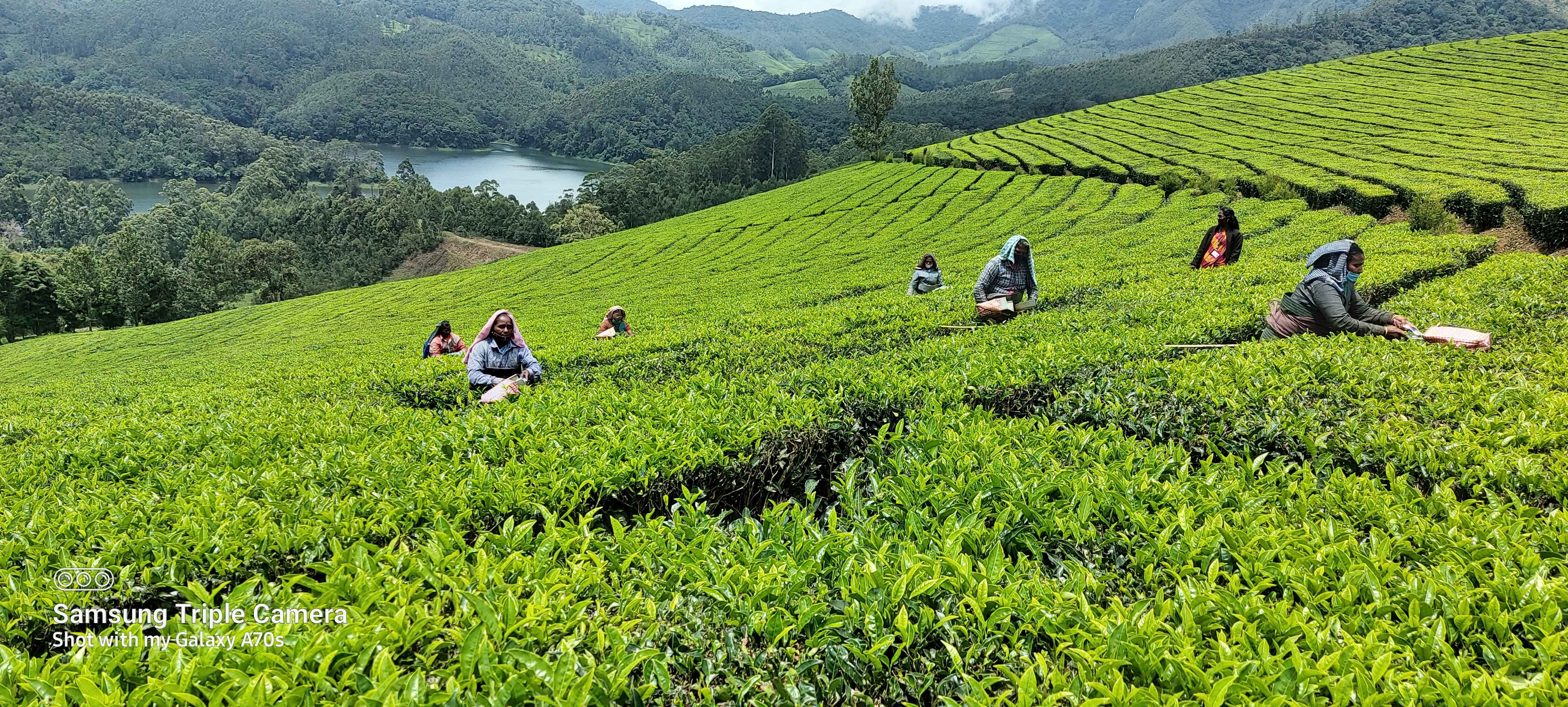
The Indian tea industry is undergoing a significant transformation toward ethical production, environmental stewardship, and supply chain transparency. At the center of this movement is the trustea Sustainability Code Version 3.1.0, the latest updated standard designed to drive sustainable and responsible tea production across India.
Whether you operate a Tea Estate, manage a Bought Leaf Factory (BLF), or work as a Small Tea Grower (STG), understanding trustea Version 3.1.0 is essential for maintaining compliance, meeting market demand, and protecting the future of Indian tea.
What is the trustea Sustainability Code Version 3.1.0?
The trustea Code is an indigenous sustainability standard tailored specifically to the unique operational realities of the Indian tea sector. Version 3.1.0 serves as an upgraded framework to ensure that tea produced in India meets high environmental, social, and food safety standards.
The code evaluates performance across three fundamental pillars:
- Environment: Protecting natural ecosystems and natural resources.
- Safety: Ensuring food safety, agrochemical compliance, and occupational health.
- Livelihoods: Safeguarding worker rights, fair compensation, and community welfare.
6 Key Focus Areas of trustea Version 3.1.0
Version 3.1.0 strengthens existing requirements while introducing clearer guidelines across six vital operational areas:
1. Environmental Sustainability & Climate Resilience
- Soil Health: Mandates cover cropping, composting, and preventing soil erosion.
- Water & Energy Management: Focuses on efficient irrigation, wastewater treatment, and adoption of renewable energy sources.
- Biodiversity Conservation: Encourages the protection of high-conservation-value (HCV) areas around tea plantations.
2. Worker Welfare, Safety & Human Rights
- Fair Compensation: Ensures adherence to legal minimum wage standards and timely payments.
- Occupational Health & Safety (OHS): Mandates Personal Protective Equipment (PPE) for field workers and sprayers.
- Gender Equality & Inclusion: Establishes policies against workplace discrimination and harassment.
3. Responsible Agricultural Practices & Food Safety
- PPC Compliance: Enforces strict adherence to the Plant Protection Code (PPC) prescribed by the Tea Board of India.
- Agrochemical Management: Eliminates banned pesticides, regulates maximum residue limits (MRLs), and promotes Integrated Pest Management (IPM).
4. Social Compliance & Ethical Governance
- Grievance Redressal: Requires accessible, transparent mechanisms for workers to raise concerns without fear of retaliation.
- Zero Tolerance Standards: Explicit prohibitions on child labor, bonded labor, and forced migrant worker exploitation.
5. Complete Supply Chain Traceability
- Chain of Custody: Establishes verifiable record-keeping from smallholder farms and estates through to bought leaf factories and final packing.
- Transparency: Enables buyers and brands to verify the ethical origin of their tea batches.
6. Management Commitment & Continuous Improvement
- Leadership Oversight: Demands active involvement from executive leadership to allocate resources for sustainable practices.
- Audit Systems: Drives ongoing compliance through structured internal audits, independent external verification, and periodic management reviews.
Summary of Scope Across the Tea Value Chain
|
Industry Segment |
Impact & Application of Version 3.1.0 |
|
Tea Estates |
Comprehensive field-to-factory compliance, large-scale worker welfare programs, and biodiversity land management. |
|
Small Tea Growers (STGs) |
Access to good agricultural practices (GAP), safe chemical handling training, and integration into verified supply chains. |
|
Bought Leaf Factories |
Strict leaf intake quality checks, PPC chemical residue testing, and process traceability. |
Why trustea Version 3.1.0 Matters for the Indian Tea Sector
Adopting trustea Code Version 3.1.0 goes beyond regulatory compliance—it builds brand trust, opens access to premium domestic and export markets, and ensures long-term operational resilience against climate change. By balancing ecological care with worker protection and food safety, Version 3.1.0 provides a clear roadmap for a prosperous, responsible Indian tea industry.
 +91 33 4073 2658
 support@trustea.org


